By Fathima Rukaiya,
Nestled on the southwestern edge of the Balkan Peninsula, Albania remains one of Europe’s most intriguing and lesser-known destinations. With its unspoiled natural beauty, rich cultural identity, and remarkable history, this small country offers a refreshing blend of mountains, beaches, and deep-rooted traditions.
Here are nine detailed facts that reveal the true character of Albania.
1. Geography & Landscape
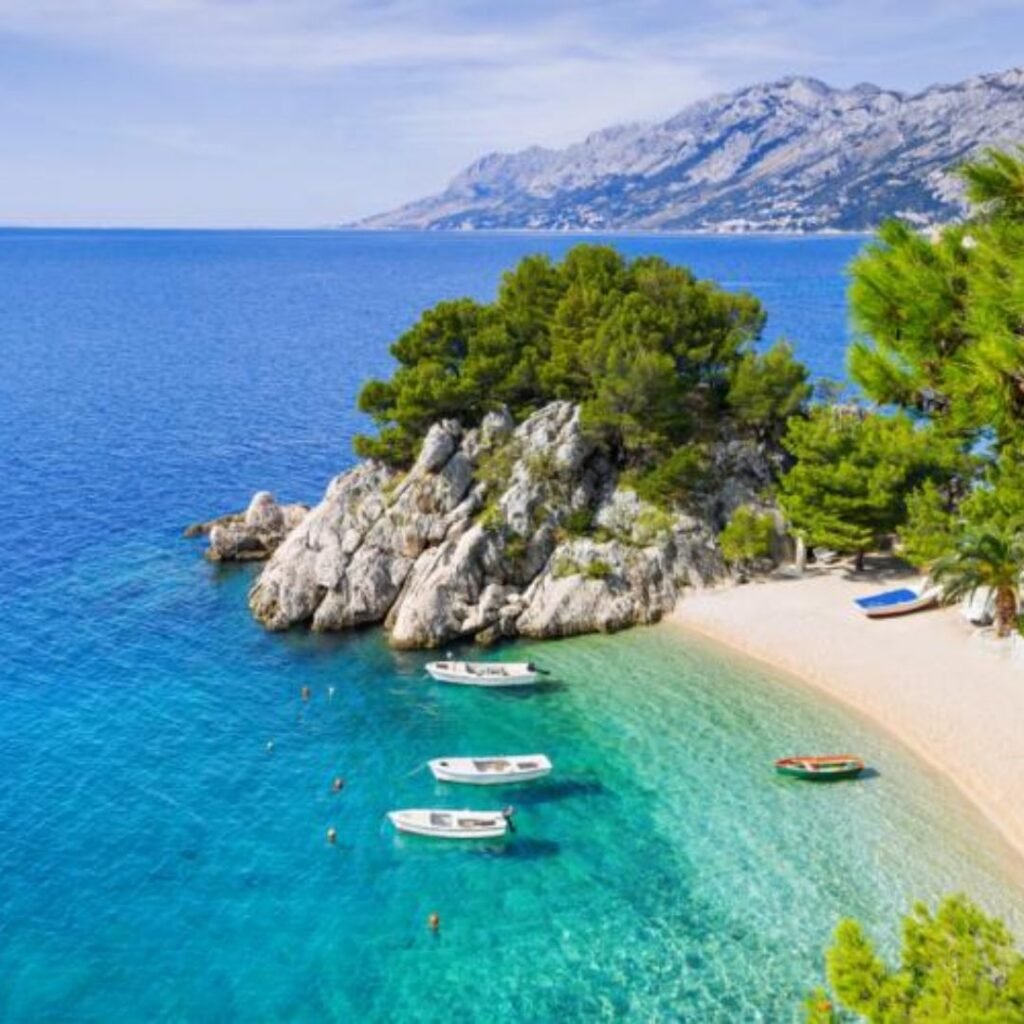
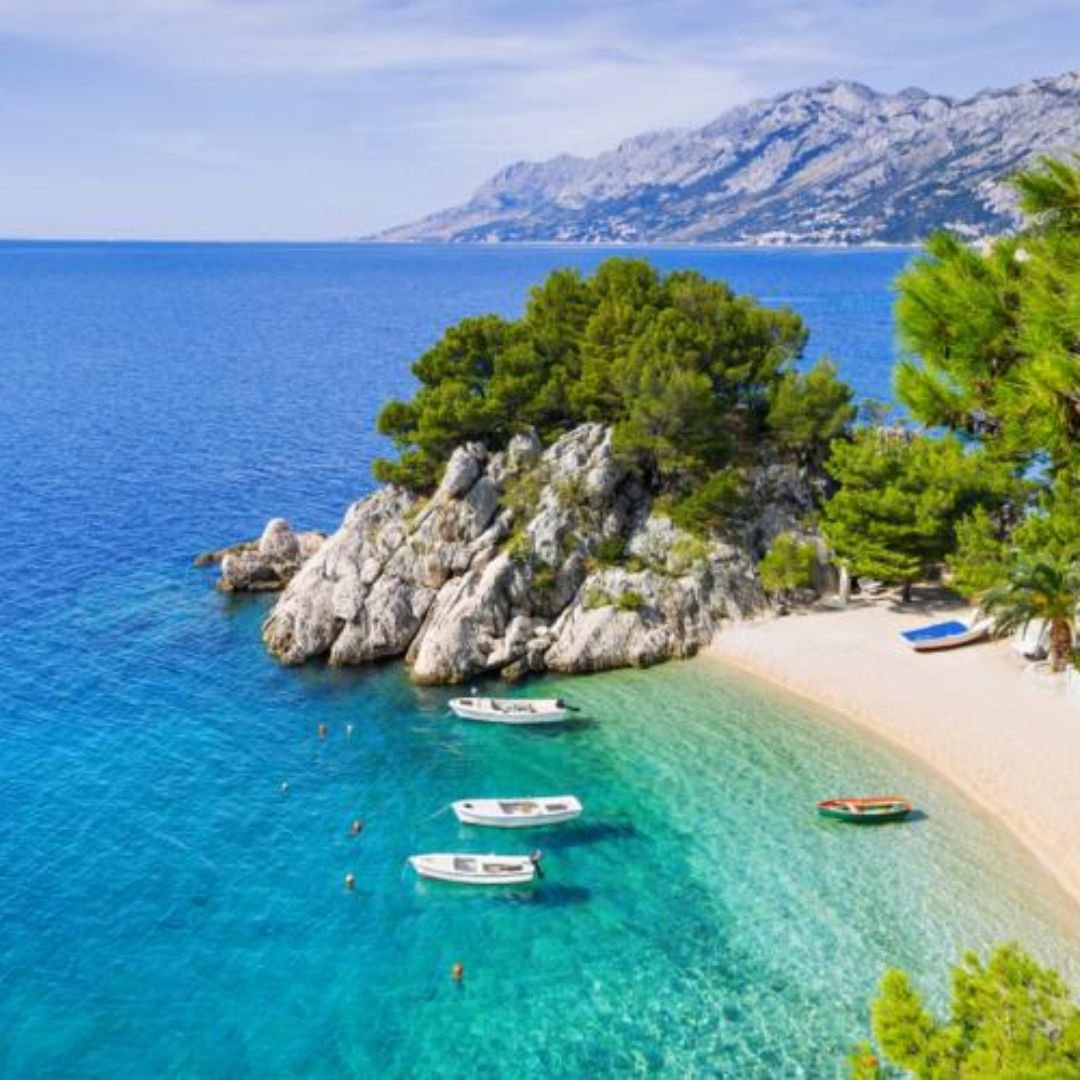
With the Adriatic Sea to the west and the Ionian Sea to the southwest, the Republic of Albania boasts a stunning diversity. Its history and people’s way of life have been shaped by the mountains that cover more than two thirds of its land. Compared to most Mediterranean travel locations, Albania’s 400 – kilometer coastline is home to many secret coves, golden beaches, and turquoise waters.
Whether climbing in mountain slopes or lounging by the Greek shore, this combination of highlands and sea makes it perfect for tourists looking for variety.
2. Language & Identity
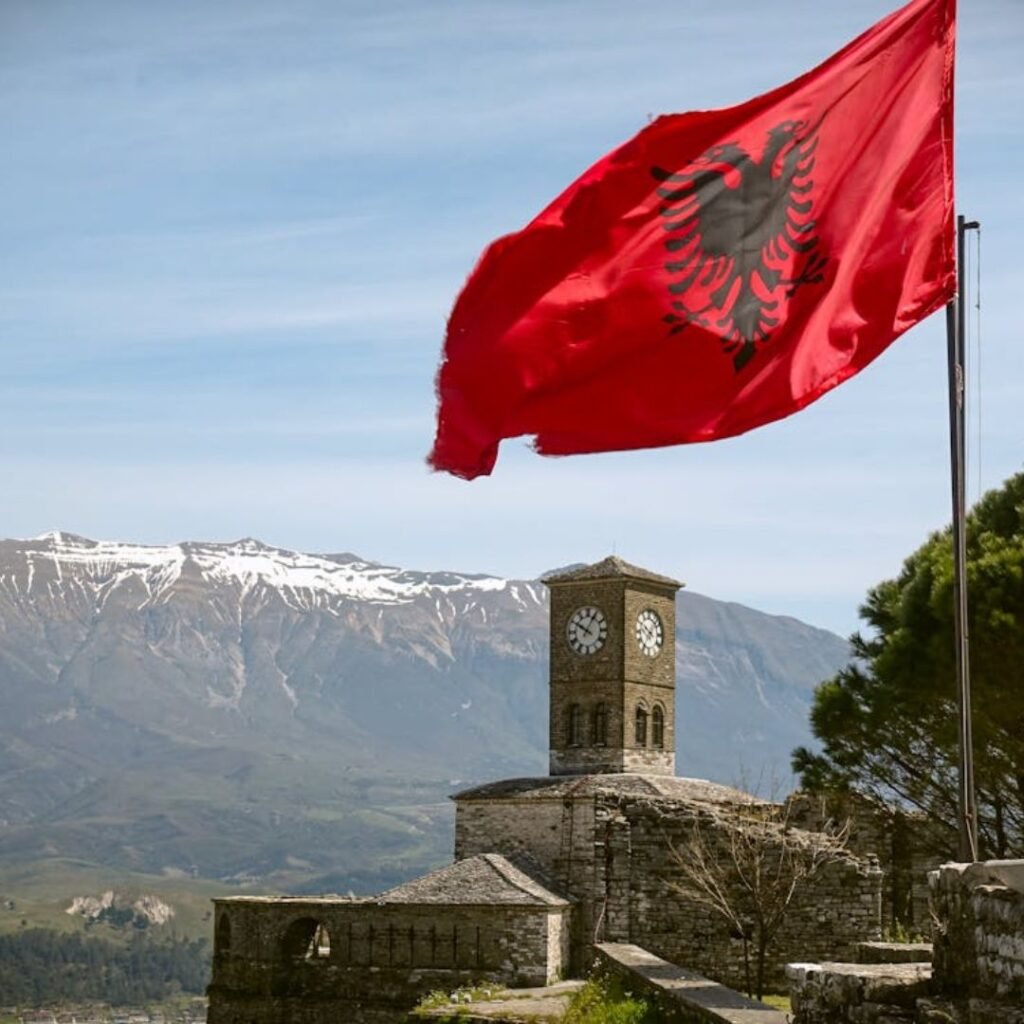
One of the most unique languages in Europe is Albanian, or Shqip. It is unrelated to any nearby language because it belongs to its own branch of the Indo – European language family. Albania’s national flag, a striking red field with a black double-headed eagle is a proud emblem of its independence and the spirit of national hero Gjergj Kastrioti Skanderbeg, who fought against Ottoman rule in the 15th century.
This strong cultural identity sets Albania apart and gives travelers a glimpse into a nation deeply connected to its past.
3. A Complicated, Changing Past
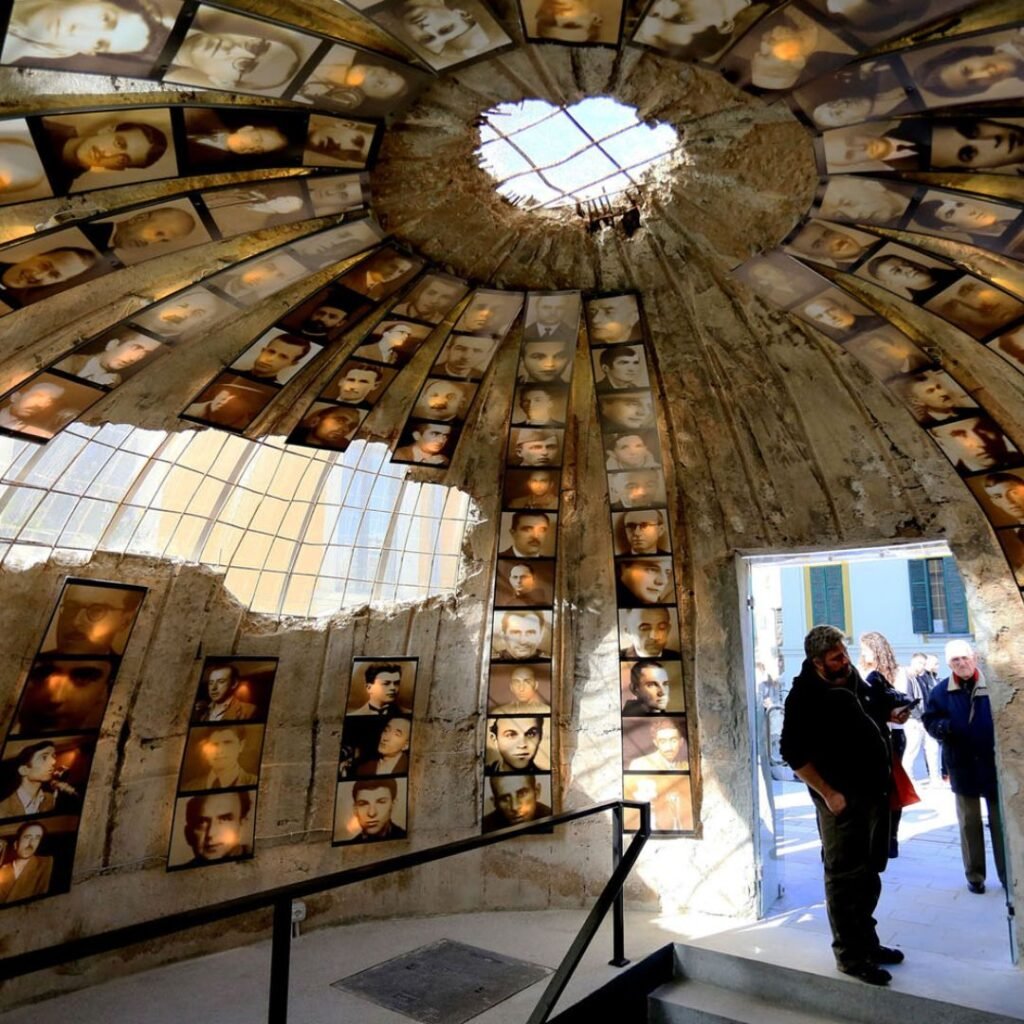
Albania’s history began with the ancient Illyrian tribes and was later influenced by the Ottoman, Byzantine, and Roman empires. After gaining independence in 1912, the nation was isolated for decades under communist leader Enver Hoxha from 1946 to 1991. Albania constructed hundreds of thousands of tiny concrete bunkers as defensive shelters during this time, many of which are still visible in the countryside today. Albania today is defined by the layers of architecture, culture, and resiliency left behind by this complicated past.
4. Economy and Demographics
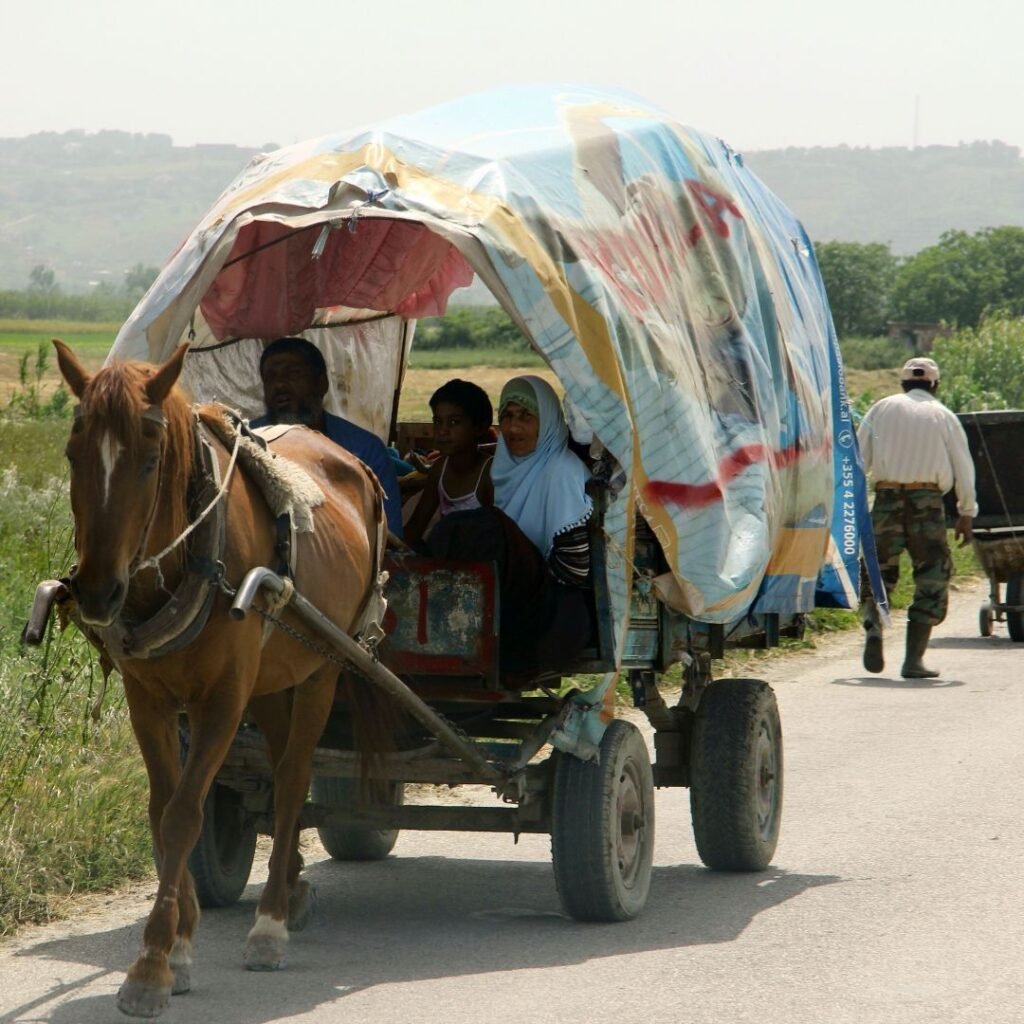
Albania is one of the smaller countries in Europe, with a population of about 2.8 million. Its economy depends heavily on agriculture, and one of its fastest-growing industries is tourism.
Travelers can expect excellent value for money from affordable hotels to low-cost local cuisine without compromising on scenery or experience. While infrastructure in remote areas may not always match Western standards, the charm of discovery and authenticity makes Albania an exciting and budget-friendly European destination.
5. Flora, Fauna & Biodiversity
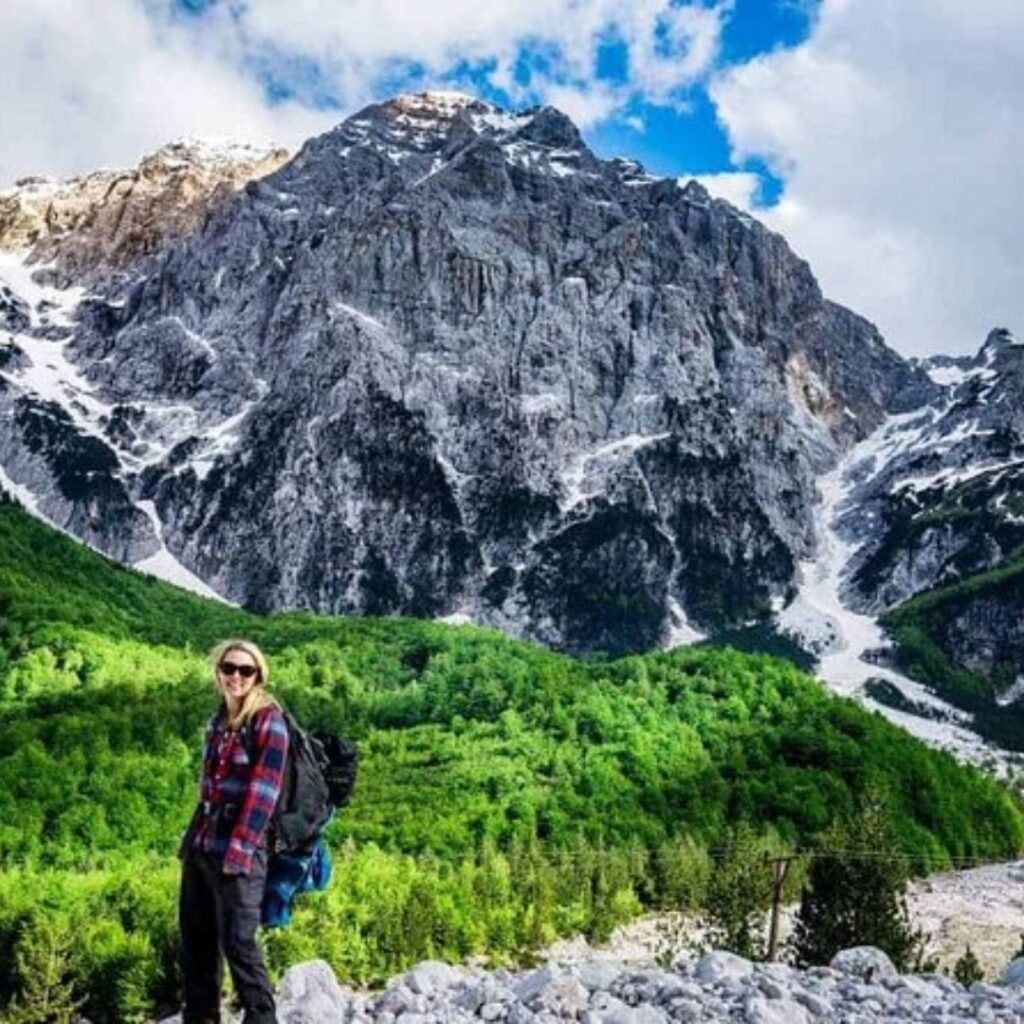
Albania has a remarkable biodiversity for its size. In addition to many birds and marine species found in its marshes, mountains, and beaches, it is home to rare species like the Balkan lynx.
Its national parks and nature reserves, such as Theth and Valbona Valley, draw hikers, wildlife enthusiasts, and eco-tourists looking for unspoiled settings away from busy tourist routes.
6. Culture & Hospitality
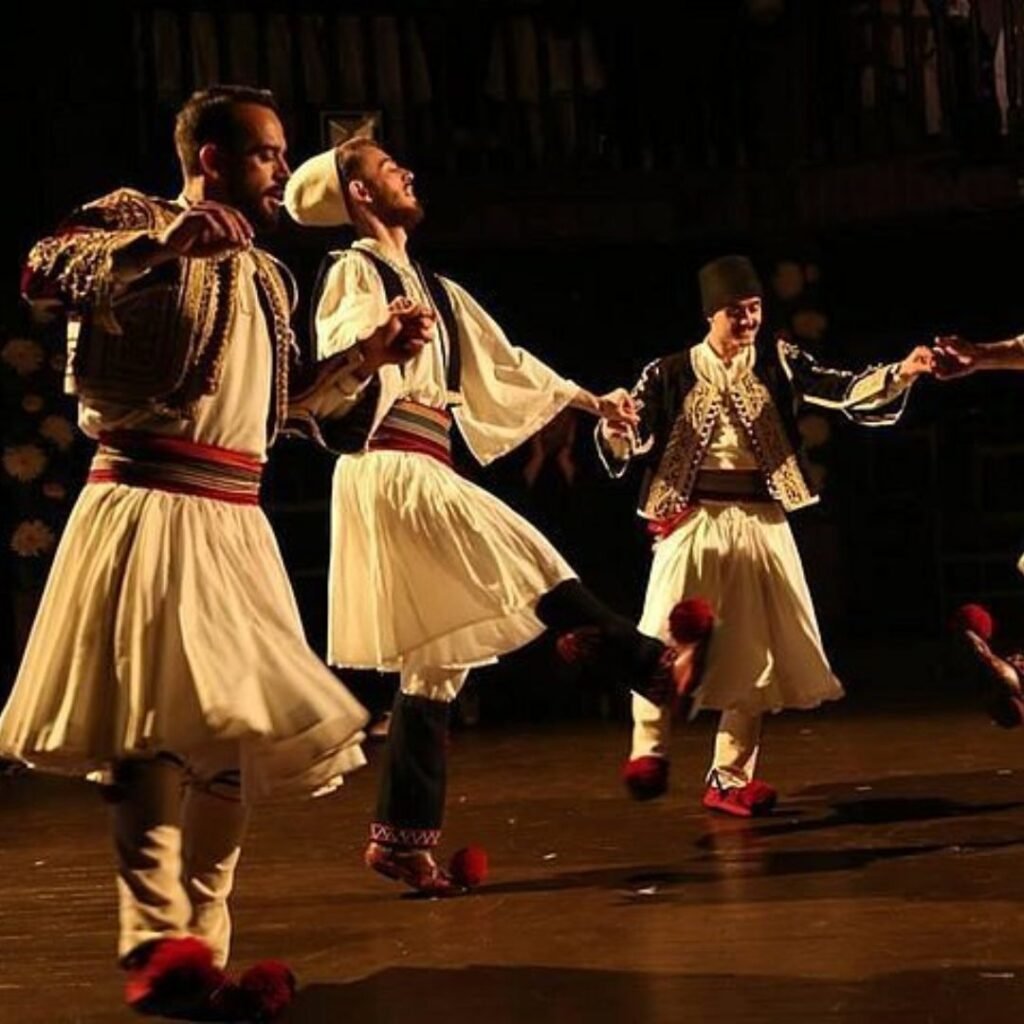
Hospitality is deeply rooted in Albanian culture. The Albanian code of respect and protection for visitors is reflected in the traditional concept of “besa,” which means honor and maintaining one’s word. Folk dance, music, and food which combine Balkan and Mediterranean influence remain essential to communal life.
Visitors often find that Albanians are genuinely welcoming, proud of their traditions, and eager to share their heritage through food, storytelling, and warm conversation.
7. Tourism
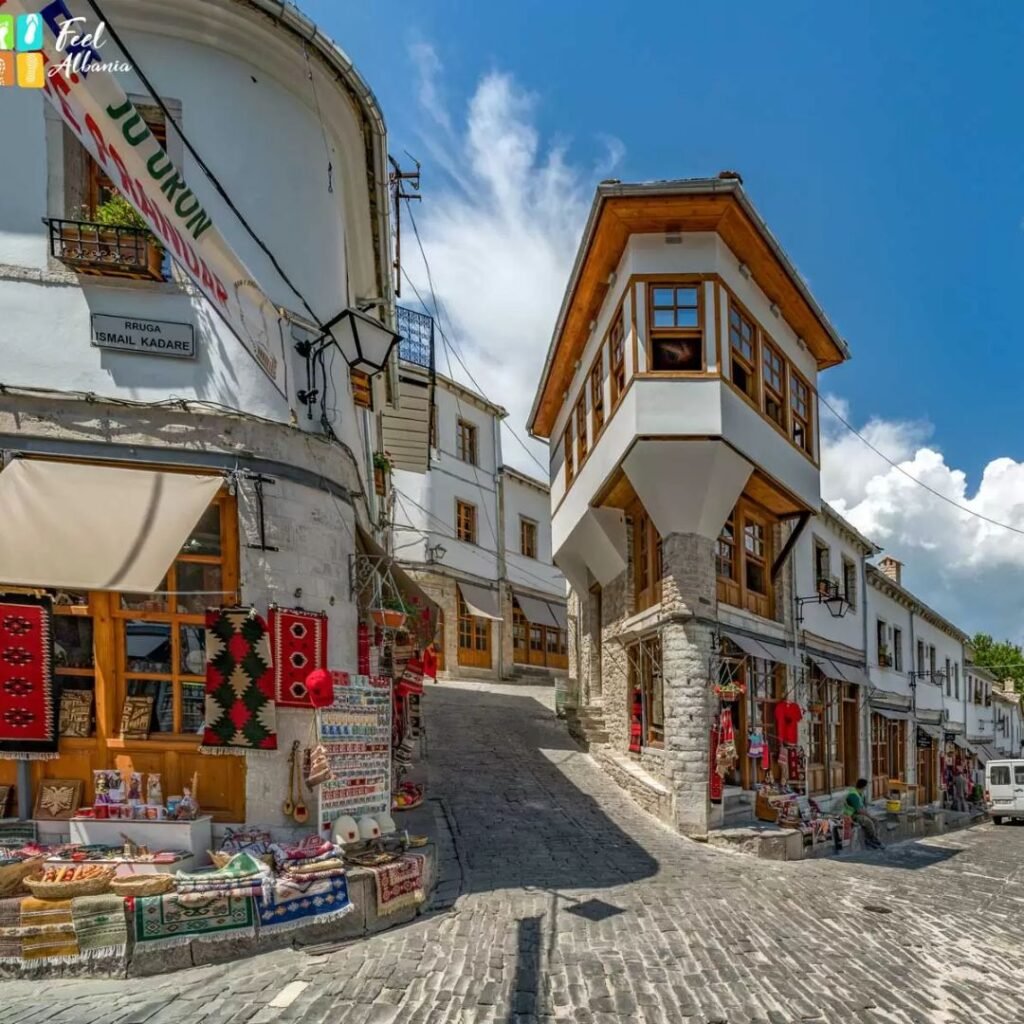
Albanian tourism has expanded quickly, but it still maintains an authenticity that is uncommon in modern Europe. While inland cities like Gjirokaster and Berat display stone architecture and centuries of history, the southern coastline, nicknamed the “Albanian Riviera,” provides breathtaking beaches, picturesque cliffs, and glistening waters.
Travelers don’t have to deal with the high prices or crowded conditions of more commercial locations to enjoy a European coastal experience. However, it is advised to arrange travel and accommodation in advance, especially in remote areas.
8. Religious & Social Landscape
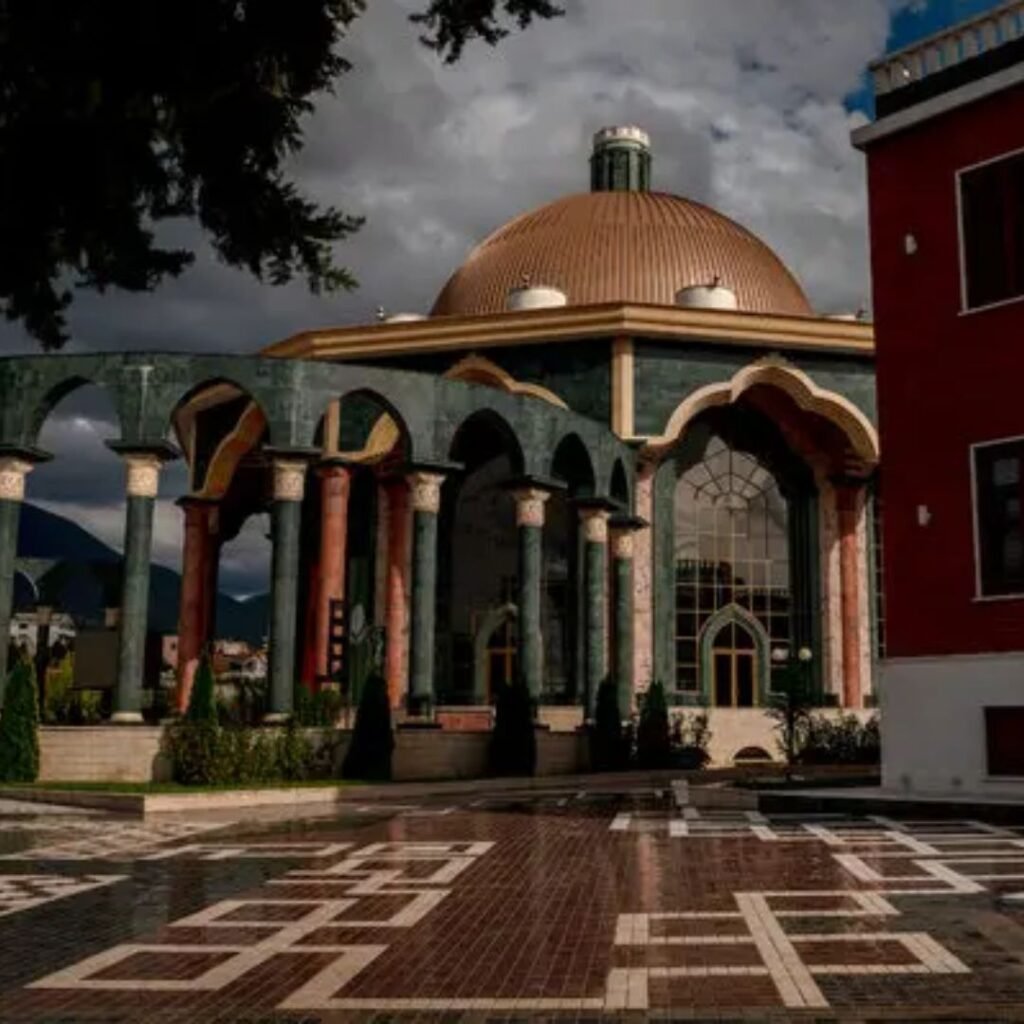
Albania is notable for its tolerance and diversity of religions. Muslims, Catholics, Orthodox Christians, and many nonreligious residents make up the nation’s population, which is guaranteed freedom of religion by the laws.
Mosques, churches, and historical religious sites coexist harmoniously, reflecting centuries of peaceful coexistence. This open-minded and welcoming atmosphere adds to the country’s charm and makes visitors feel comfortable and accepted.
9. Challenges & Opportunities
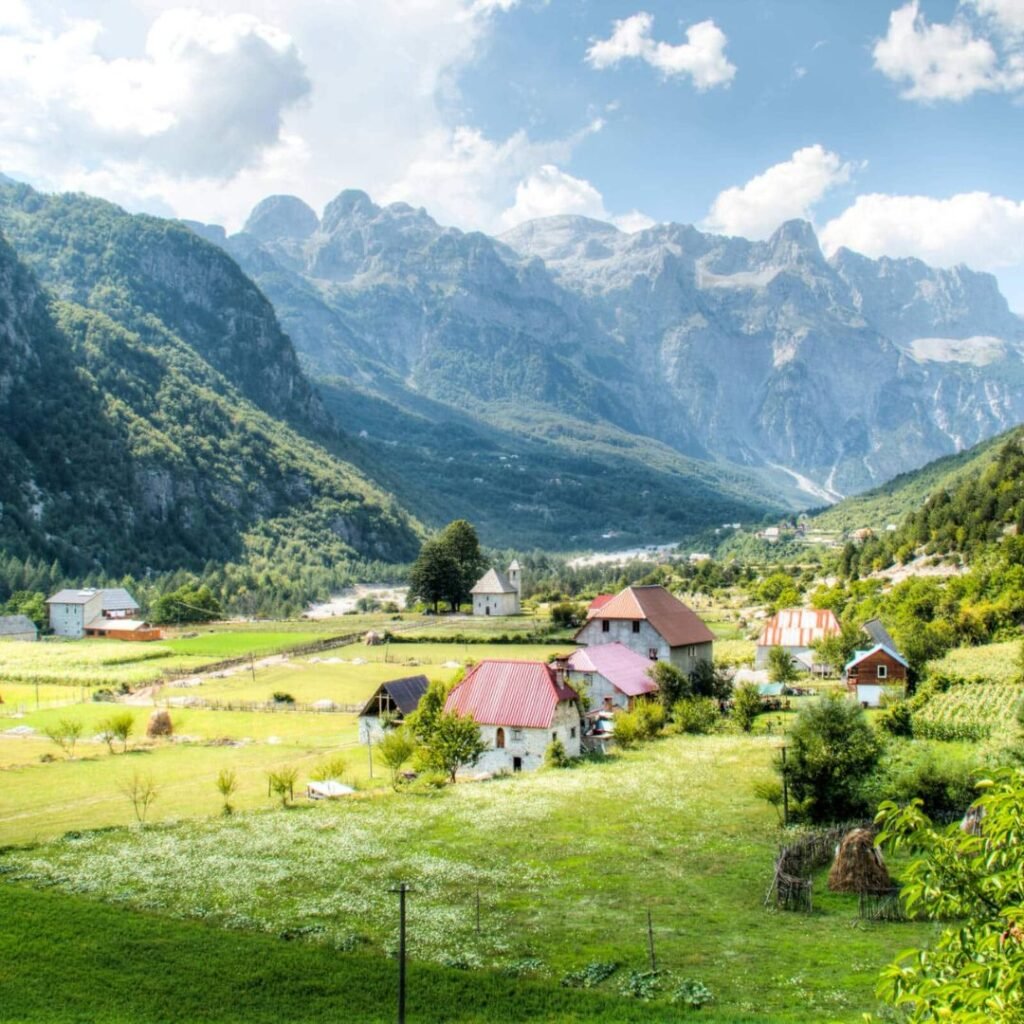
Albania has a lot of potential and beauty, but it also has problems including a declining population and uneven rural infrastructure development. However, the country is striking a balance between development and the preservation of its natural and cultural riches thanks to expanding tourism and better transportation systems.
Albania is a country of contrasts: it is both ancient and modern, untamed and hospitable, forgotten and remarkable. It is one of Europe’s most alluring hidden treasures because of its beautiful coastlines, mountain communities, and friendly locals.
So, if you’ve been wondering whether Albania should be your next travel destination, this article covers most of the key things to know before you go. Hopefully, it helps you plan an excellent trip to this remarkable country and truly enjoy everything Albania has to offer.