By Fathima Rukaiya,
December in Europe mixes glittering Christmas markets, cozy winter street food, and affordable inter-city travel if you plan smart. Below is a detailedguide with the best markets, food experiencesand low-cost routes.
Where to go and why
- Central Europe (Prague, Vienna, Budapest) offers fantastic value, enchanted markets, and reasonably priced accommodation.
- Germany’s Nuremberg, Dresden, and Cologne are famous, massive Christmas markets with traditional cuisine.
- France (Strasbourg, Alsace): a joyous mood reminiscent of a storybook.
- Belgium (Brussels, Bruges) has a thriving winter food scene with small markets.
- Southern Europe (Barcelona, Lisbon, Rome) has a strong culinary culture, milder weather, and less big marketplaces.
The most economical routes:
Prague via Vienna → Budapest
Nuremberg → Dresden → Prague
Both lines provide inexpensive buses or trains and quick travel times.
Markets
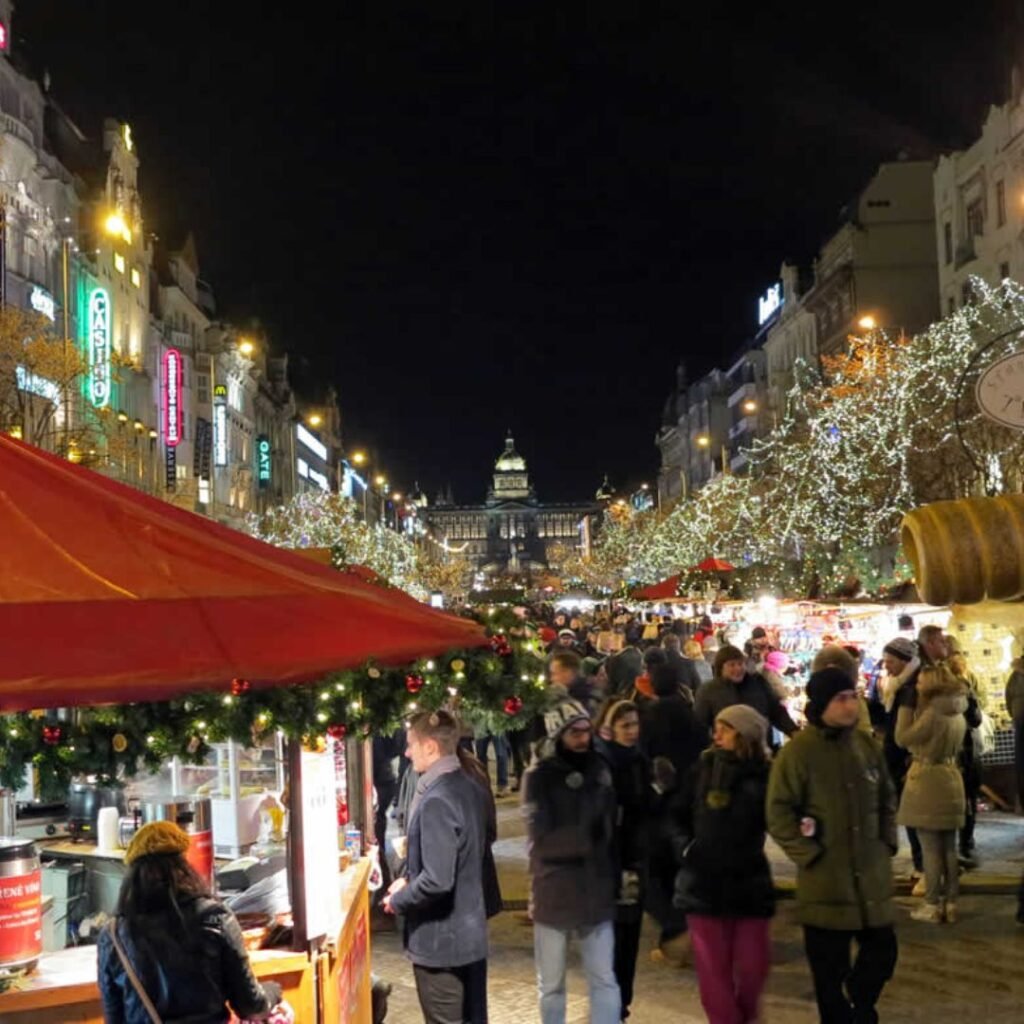
1. Prague
Experience:Roasted chestnuts, sausages, chimney cakes (trdeln), crafts, wooden stalls, and a towering Christmas tree.
- Mulled wine (svarene deno): €3–€5 ($3.50–$5.90)
- Street food snacks: €3–€7 ($3.50–$8.20)
Prague is still among the most affordable celebration destinations in Europe.
2. Vienna
Experience:Imperial architecture, handcrafted items, orchestral performances, and elegant lighting.
The atmosphere is unmatched, yet prices are a little higher than in Prague.
3. Nuremberg
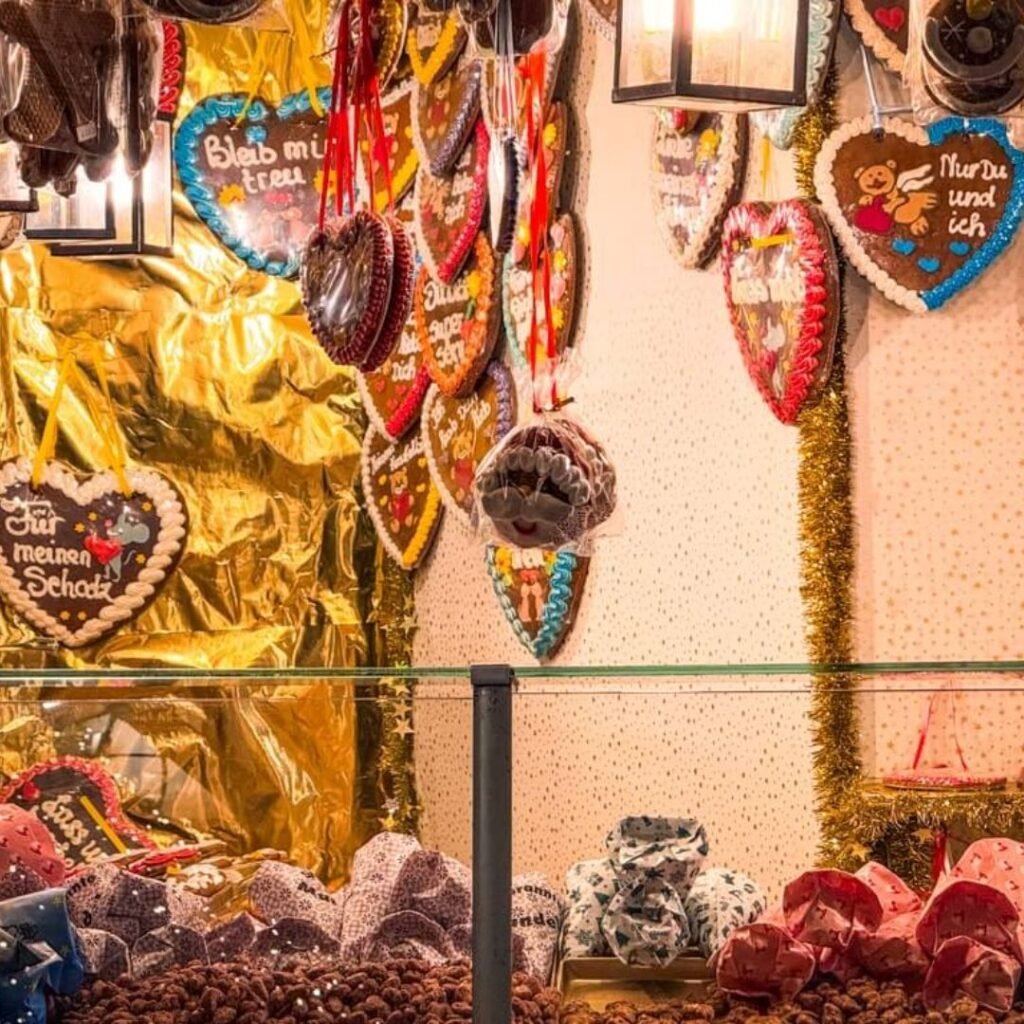
Experience:Known for its traditional crafts, bratwurst, and gingerbread, Nuremberg is one of Europe’s finest markets.
- Gluckwein average: €4.50 (about $5.30)
- Food items: €4–€9 ($4.70–$10.60)
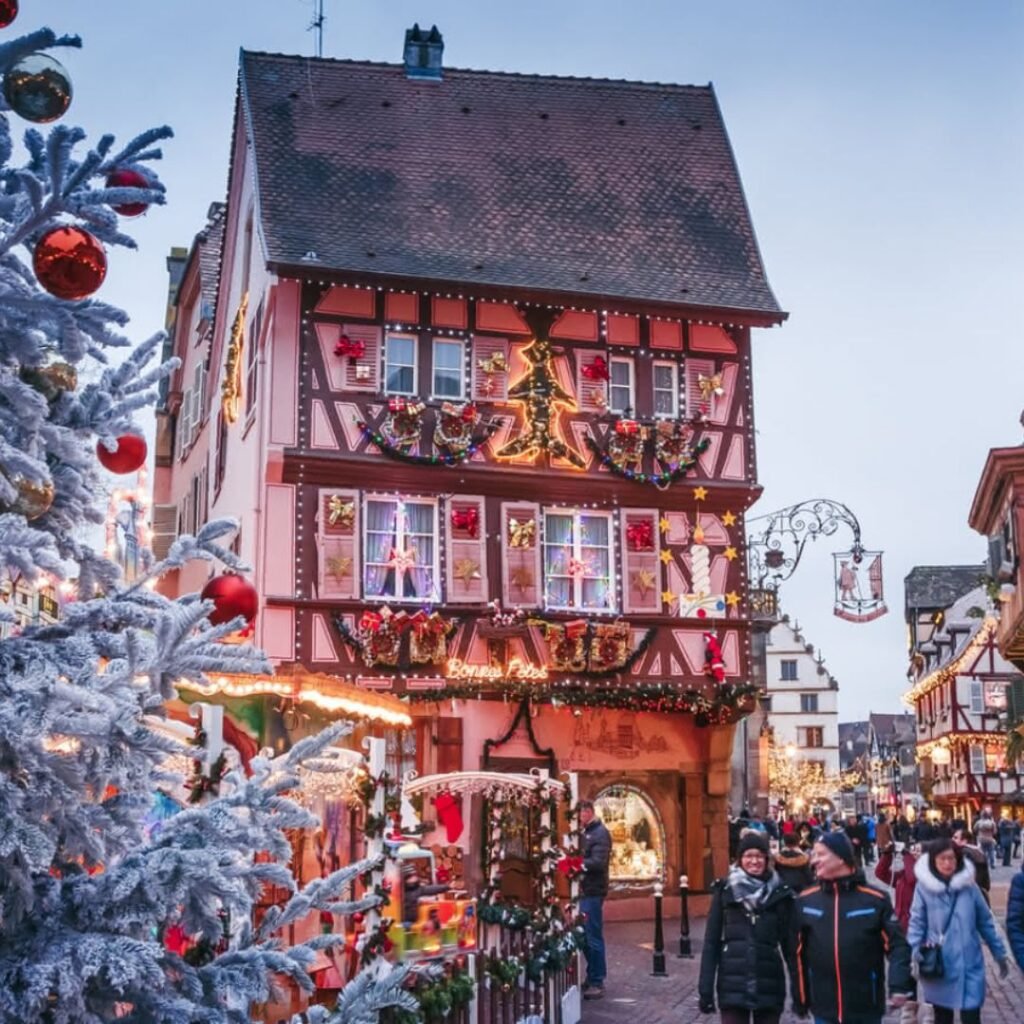
4. Strasbourg
Experience:Festive streets, Alsace decor, half-timbered homes, and regional specialties like tarte flambee.
The atmosphere justifies the slightly higher prices compared to Central Europe.
5. Budapest
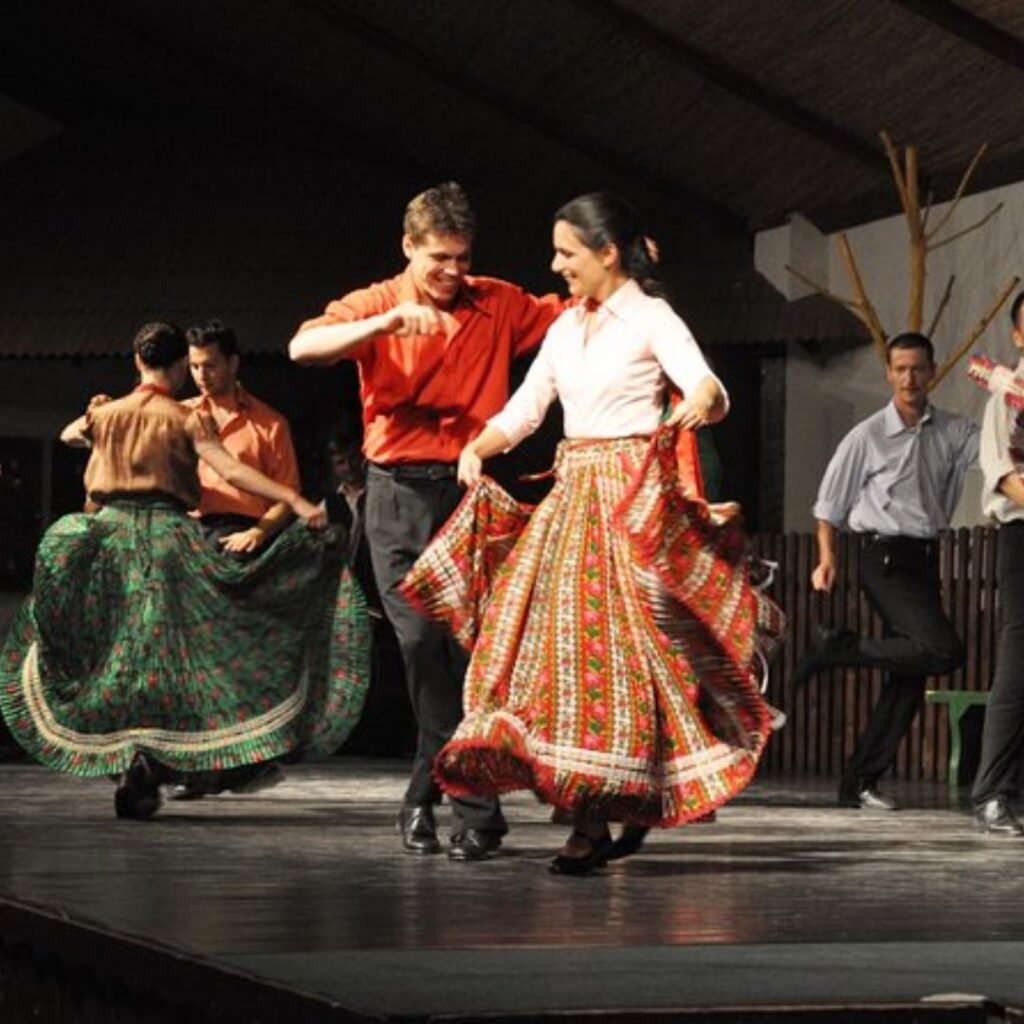
Experience:Nearby thermal springs, Hungarian street food, and folk entertainment
Langos and goulash bowls: €3–€8 (about $3.50–$9.40)
Prioritizing culinary experiences
- Gluckwein/mulled wine: €4–€5 ($4.70–$5.90)
- Sausage and bratwurst: €3–€6 ($3.50–$7.00)
- Chimney cakes, waffles, and crepes: €3–€7 ($3.50–$8.20)
- Hungarian street food: €4–€8 ($4.70–$9.40)
Average daily food budget: €20–€35 ($23.50–$41.00) (street food plus one sit-down meal).
Low-budget routes and transport
Budget airlines
If you book early, budget airlines in Europe offer inexpensive December rates. Although base flights can be quite cheap, there are luggage costs. You can save money by flying into a major hub and continuing by land.
Intercity buses
Most Christmas-market destinations are connected by long-distance buses. For instance, a ticket from Berlin to Prague costs €30 ($36) if reservations are made in advance.
Saving money on lodging is made possible by night buses.
Trains
Trains are more comfortable and quicker. Although buses are often less expensive for short journeys, advance reservations and regional rates offer good value.
Budget accommodation
- Hostel dorm beds:
- Central/Eastern Europe: €15–€30 per night
- Western Europe: €35–€60 per night
- Budget private rooms:
€50–€90 per night (about $59–$106)
3 nights in Prague at €30 per night = €90 (about $106)
Sample 7-day itinerary
Prague → Vienna → Budapest
The average daily cost per person is €30 for lodging (hostel dorm).
Food: €25
Local transportation and minor costs: €10
Activities and attractions: €10
Daily total: €75 (€ $88)
Total for 7 days: €525 (€ $617)
Additional transportation expenses:
Low-cost flights inside Europe cost between €50 and €120. The route’s intercity buses and trains cost between €30 and €60.
Tips for saving money
- Make early reservations for transportation and flights.
- To reduce hotel expenses, take night-time buses.
- Instead of dining at restaurants, eat in markets.
- Keep cash on hand for refundable mug deposits and small stalls.
- For cheaper costs and less crowds, pick smaller neighboring cities.
Timing&weather
- Majority of markets operate from late November through December 23–24, with some continuing into the New Year.
- Bring waterproof shoes, gloves, and thermal layers in case of chilly weather.
- Although most people accept cards, little amounts of cash are still helpful.
That’s Europe in December for you! If you were struggling to plan your trip, I hope this guide offered even a little bit of help. Europe is truly exciting this time of year, offering that “movie-like” Christmas experience.
Hope you have a wonderful holiday!
*Please keep in mind that rates mentioned above can tend to fluctuate