By Fathima Rukaiya,
Switzerland is often described as one of the most beautiful countries in the world but also one of the most expensive. With stunning landscapes, villages, world-class public transport, and high living standards, the country attracts millions of travelers every year. However, many potential visitors hesitate because of the price tag.
So, the big question is: Is Switzerland worth the cost in 2026?
The answer depends on your travel style, expectations, and how you plan your trip.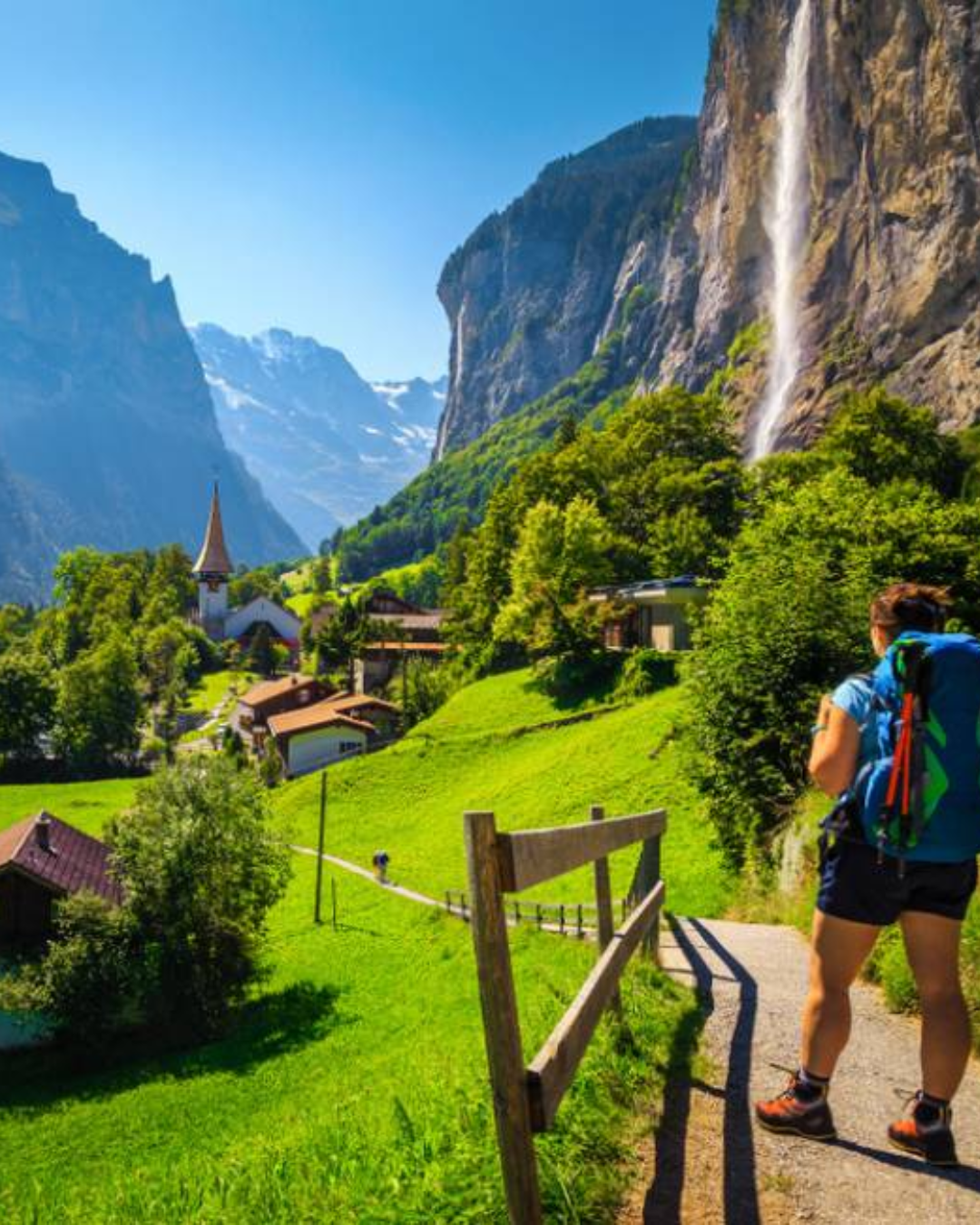
1 Swiss Franc (CHF) ≈ 1.28 – 1.30 US Dollars (USD)
Why Switzerland Is Expensive
Before discussing whether it is worth the cost, it’s important to understand why Switzerland is expensive compared to many other destinations.
1. High Standard of Living
Switzerland consistently ranks among the countries with the highest living standards in the world. Salaries, rent, and everyday expenses are much higher than in most countries.
2. Strong Currency (Swiss Franc)
The Swiss Franc (CHF) is one of the strongest currencies globally, which increases prices for international visitors.
3. Quality and Efficiency
Swiss services are known for being reliable, clean, safe, and extremely efficient which often comes at a premium.
On average, travelers spend around $260 per day.
Average Travel Costs in Switzerland
Travel costs vary depending on whether you travel on a budget, mid-range, or luxury style.
Estimated Daily Budget (Per Person)
| Travel Style | Daily Cost (CHF) | Daily Cost (USD approximate) |
| Budget | CHF 120 – 200 | $150 – $250 |
| Mid-Range | CHF 250 – 350 | $310 – $440 |
| Luxury | CHF 650+ | $810+ |
These estimates include accommodation, food, transport, and activities.
In mountain destinations like Interlaken or Zermatt, daily costs can climb even higher due to limited accommodation and expensive cable cars.
Accommodation Costs in Switzerland
Accommodation is usually the biggest expense during a trip to Switzerland.
Average Hotel Prices
| Accommodation Type | Price Per Night |
| Hostel Dorm | CHF 35 – 65 |
| Budget Hotel / Guesthouse | CHF 80 – 120 |
| 3-Star Hotel | CHF 120 – 200 |
| Luxury Hotel | CHF 400+ |
In cities such as Zurich, Geneva, and Lucerne, hotel prices tend to be higher than in smaller towns.
However, many travelers reduce costs by:
- Staying in hostels or guesthouses
- Booking Airbnb apartments
- Staying in smaller alpine villages instead of major cities
Food and Dining Costs
Food in Switzerland can be costly, especially if you eat at restaurants regularly.
Average Food Prices
| Meal Type | Price |
| Coffee | CHF 4 – 6 |
| Fast food / takeaway | CHF 10 – 18 |
| Casual restaurant meal | CHF 25 – 40 |
| Fine dining | CHF 80 – 150 |
Budget travelers often save money by shopping at supermarkets such as Migros or Coop, where sandwiches and ready meals cost around CHF 5 – 10.
Transportation Costs
| Transport Type | Price |
| City transit ticket | CHF 2 – 12 |
| Day transport pass | CHF 8 – 20 |
| Scenic mountain railway | CHF 40 – 90 |
| Swiss Travel Pass (8 days) | CHF 439 |
The Swiss Travel Pass allows unlimited travel on trains, buses, boats, and includes entry to many museums.
While expensive upfront, it often saves money if you plan to move around frequently.
Popular Experiences and Their Costs
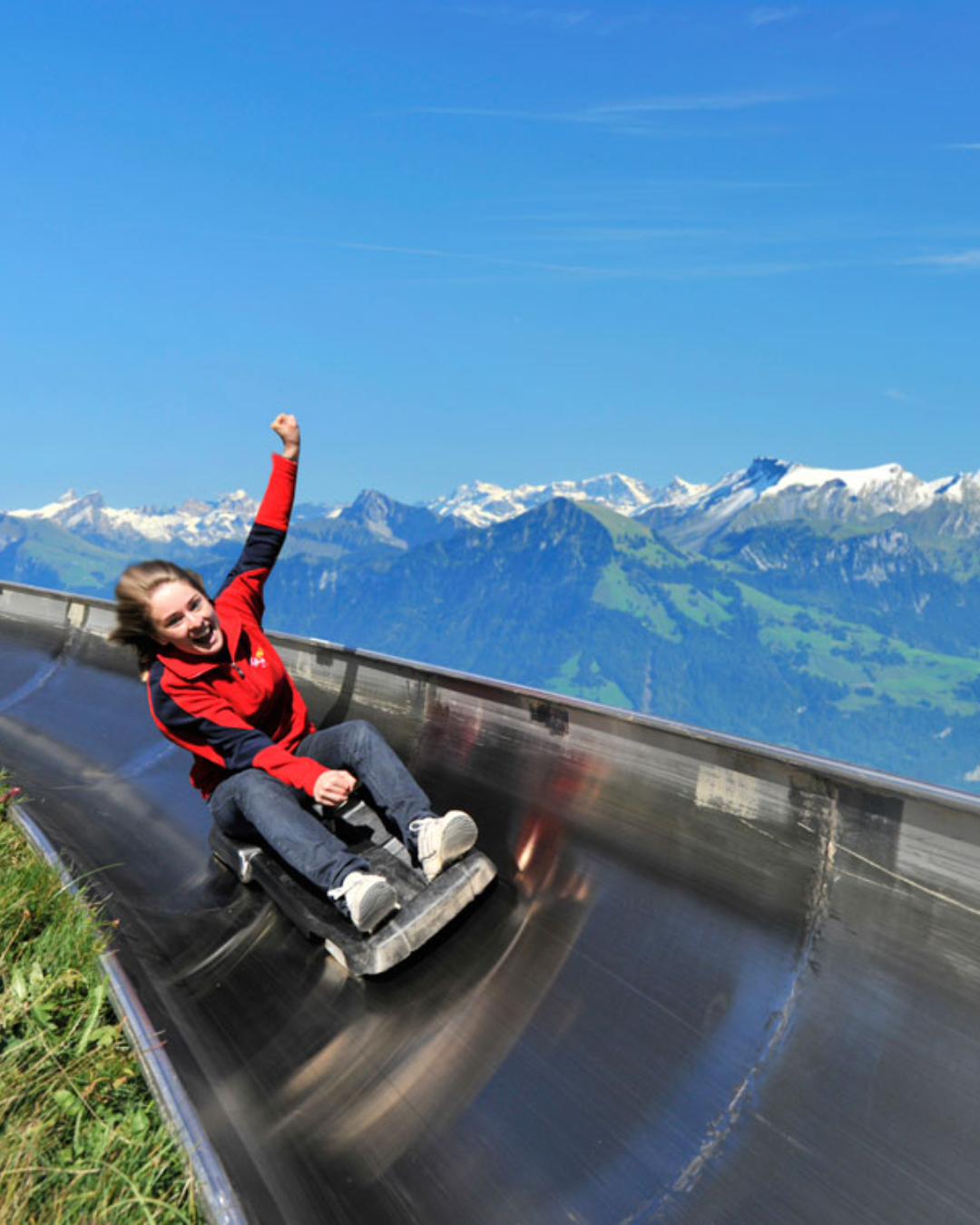
Switzerland is packed with unforgettable experiences. Many of them involve mountain transport or scenic trains.
Activity Prices
| Activity | Price |
| Cable car to mountain viewpoint | CHF 40 – 80 |
| Jungfraujoch “Top of Europe” train | CHF 150 – 220 |
| Glacier Express scenic train | CHF 120 – 250 |
| Museum entry | CHF 10 – 20 |
| Lake cruise | CHF 20 – 60 |
What Makes Switzerland Worth the Price
Despite the high costs, Switzerland consistently ranks among travelers’ favorite destinations.
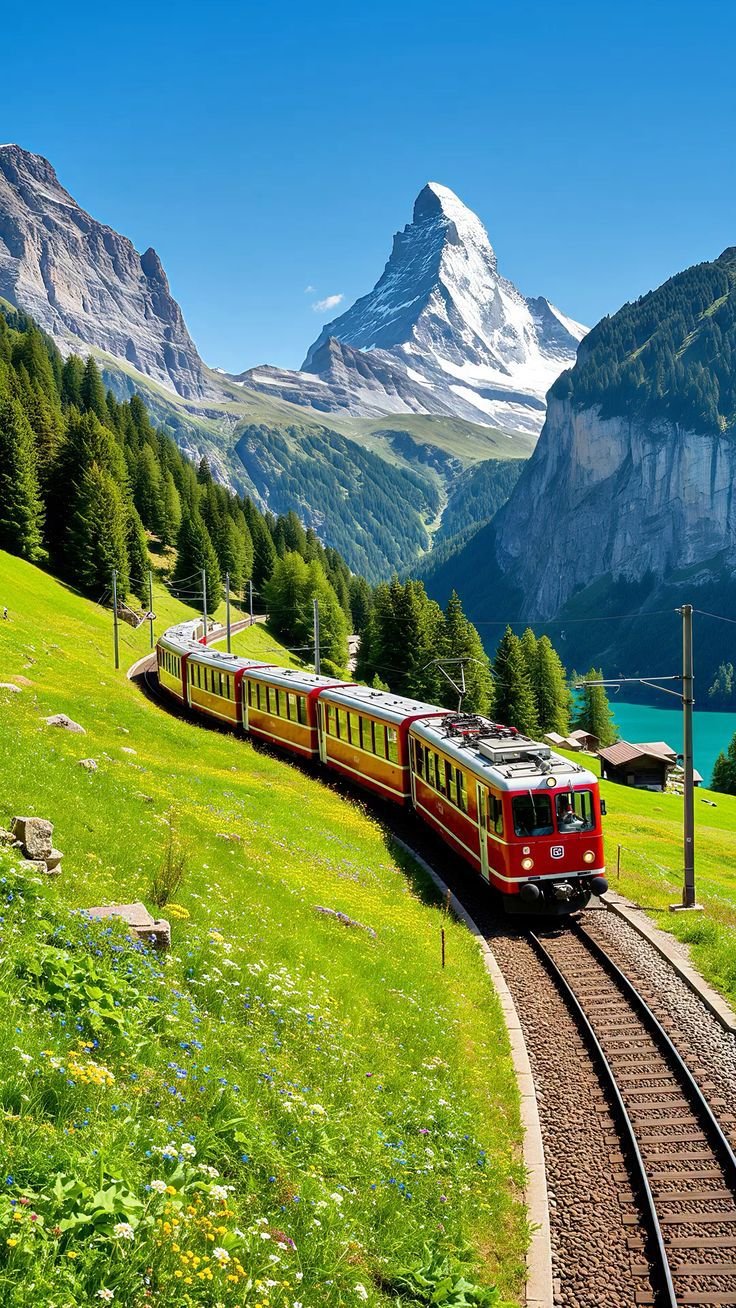
1. Some of the World’s Most Stunning Landscapes
Switzerland’s natural scenery is legendary.
You’ll find:
- The Matterhorn
- The Swiss Alps
- Glacier Lakes
- Alpine villages
- Dramatic mountain passes
Places like Interlaken, Zermatt, Lauterbrunnen, and Lucerne offer scenery that looks almost unreal.
Many outdoor experiences like hiking, viewpoints and lakes are free, which helps balance the cost.
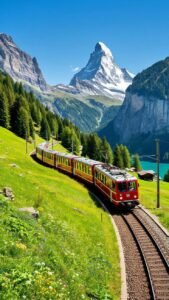
2. The World’s Best Train Journeys
Famous scenic routes include:
- Glacier Express
- Bernina Express
- GoldenPass Line
These trains pass through valleys, glaciers, lakes, and UNESCO landscapes.
3. Safety and Cleanliness
Switzerland consistently ranks among the safest countries in the world.
Visitors notice:
- Extremely clean cities
- Reliable transportation
- Safe public spaces
- Well-maintained hiking trails
4. Alpine Experiences
- Glacier hiking
- Ski resorts with world-class slopes
- Cable cars to 3000+ meter peaks
- Alpine villages surrounded by waterfalls
Destinations like Lauterbrunnen Valley have over 70 waterfalls, making it one of the most scenic valleys in Europe.
How Much a 7-Day Trip Costs
Here is an estimate for a one-week trip excluding international flights:
| Travel Style | Total Cost |
| Budget | CHF 1,240 – 2,200 |
| Mid-Range | CHF 1,800 – 3,160 |
| Luxury | CHF 4,000+ |
Flights vary depending on where you travel from.
Ways to Visit Switzerland on a Budget
Even though Switzerland is expensive, smart planning can reduce costs significantly.
1. Stay Outside Major Cities
Smaller towns are much cheaper than Zurich or Geneva.
2. Use the Swiss Travel Pass
This can save hundreds of francs on train travel.
3. Eat Some Meals from Supermarkets
Swiss supermarkets have excellent ready-to-eat food.
4. Focus on Free Activities
Hiking, viewpoints, and lakes are completely free.
5. Travel in Low Peak Seasons
Best months for lower prices:
- April
- May
- October
- Early November
So… Is Switzerland Worth the Cost?
For many travelers, the answer is yes.
Switzerland offers:
- Some of the most beautiful landscapes in the world
- Unmatched train journeys
- Safe, clean, and efficient cities
- Incredible outdoor experiences
While it may cost more than many destinations, the quality of experience is equally high.
If you plan carefully and mix budget-friendly choices with a few unforgettable activities, Switzerland can become one of the most memorable trips you’ll ever take!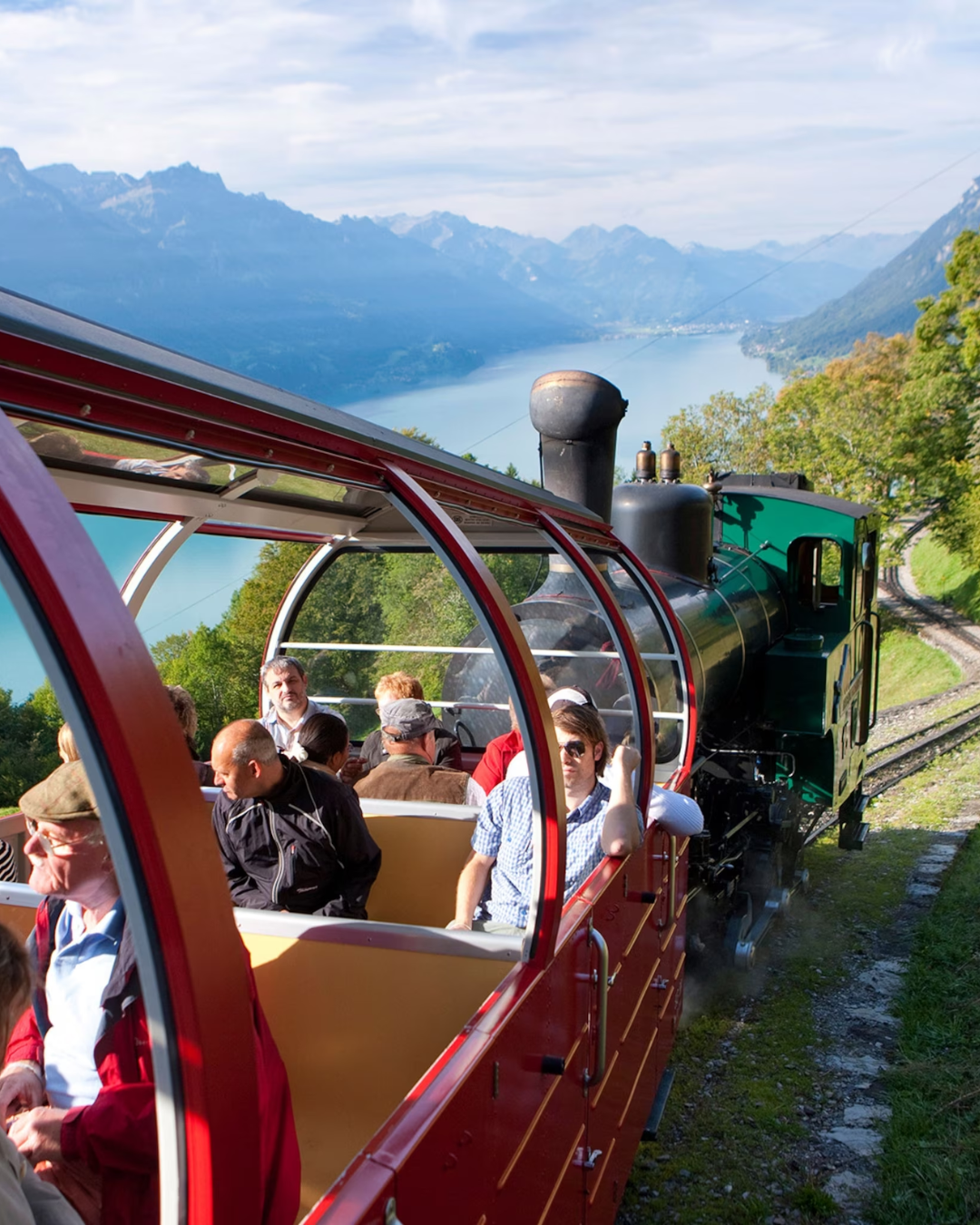
*Please note the prices mentioned above are only approximates and can vary.