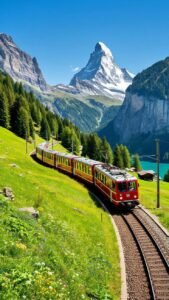
Sri Lanka has faced recurring fuel shortages due to global disruptions and economic challenges. In 2026, fuel rationing, reduced transport services, and rising costs have once again affected daily travel across the island.
For travelers and locals alike, this means one thing: you must adapt your travel style. The good news? Sri Lanka offers plenty of smart and affordable alternatives to fuel-dependent travel.
This guide explores the best practical travel options, tips, and strategies to help you move around efficiently even during a fuel crisis.
Understanding the Travel Situation
During a fuel crisis:
- Fuel is often rationed based on vehicle numbers
- Public transport may be limited or delayed
- Fuel queues can last hours or even days
- Authorities urge people to reduce unnecessary travel
This makes private vehicle travel unreliable, pushing people toward alternative transport methods.
1. Trains – The Most Reliable Long-Distance Option
Sri Lanka’s railway system is one of the best alternatives during a fuel crisis because trains consume less fuel per passenger and are prioritized in transport planning.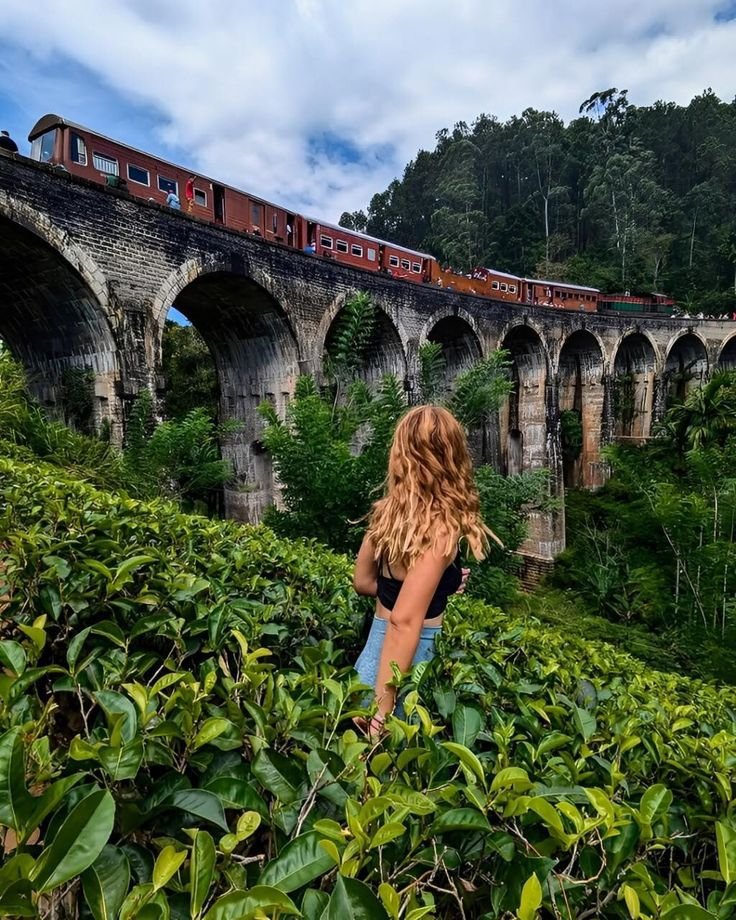
Why choose trains:
- Less affected by fuel shortages
- Cheap fares (ideal for students and tourists)
- Scenic routes like Colombo → Ella or Kandy
Tips:
- Travel early to avoid overcrowding
- Book seats for long journeys
2. Public Buses – Essential but Crowded
Buses remain the backbone of daily transport in Sri Lanka.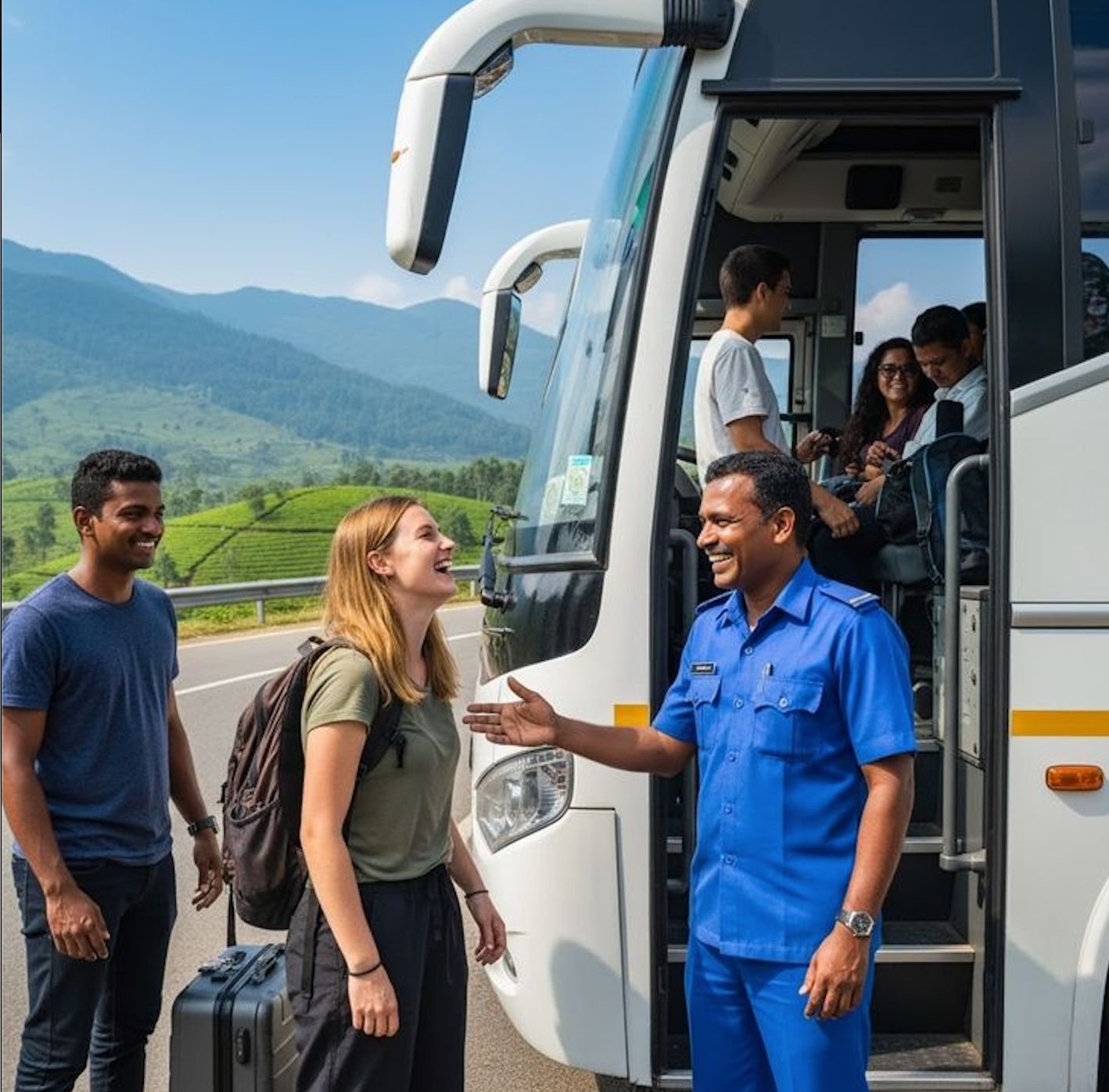
Advantages:
- Wide coverage across cities and rural areas
- Very affordable
Challenges:
- Overcrowding during crisis periods
- Reduced frequency
Tip:
Travel outside peak hours (before 7 AM or after 7 PM) for a more comfortable ride.
3. Cycling – The Rising Trend
Cycling has become one of the fastest-growing travel alternatives during fuel shortages.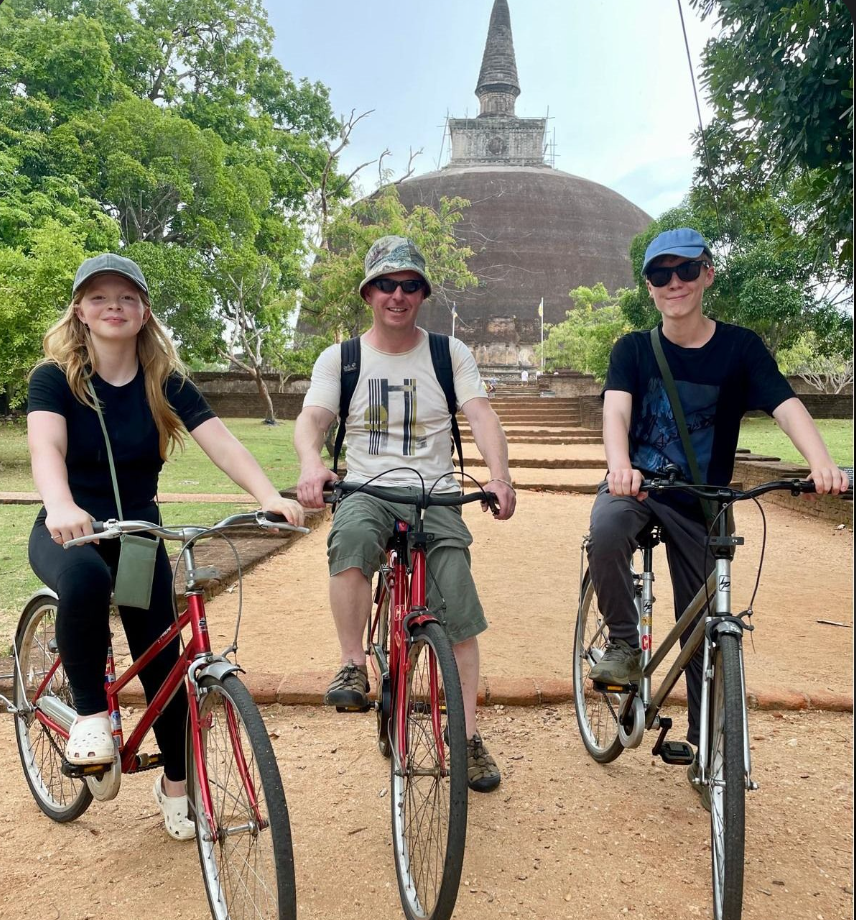
Why cycling works:
- Zero fuel cost
- Perfect for short distances (1 – 10 km)
- Eco-friendly
Best for:
- Students
- Office workers in cities like Colombo, Negombo, and Galle
4. Walking – Short Distance Solution
Walking may sound basic, but during a crisis, it becomes highly practical.
When to walk:
- Distances under 2 – 3 km
- Running errands nearby
- Exploring local towns
Many people reduce unnecessary travel altogether to conserve fuel.
5. Carpooling & Ride Sharing
Carpooling is a smart and increasingly popular solution.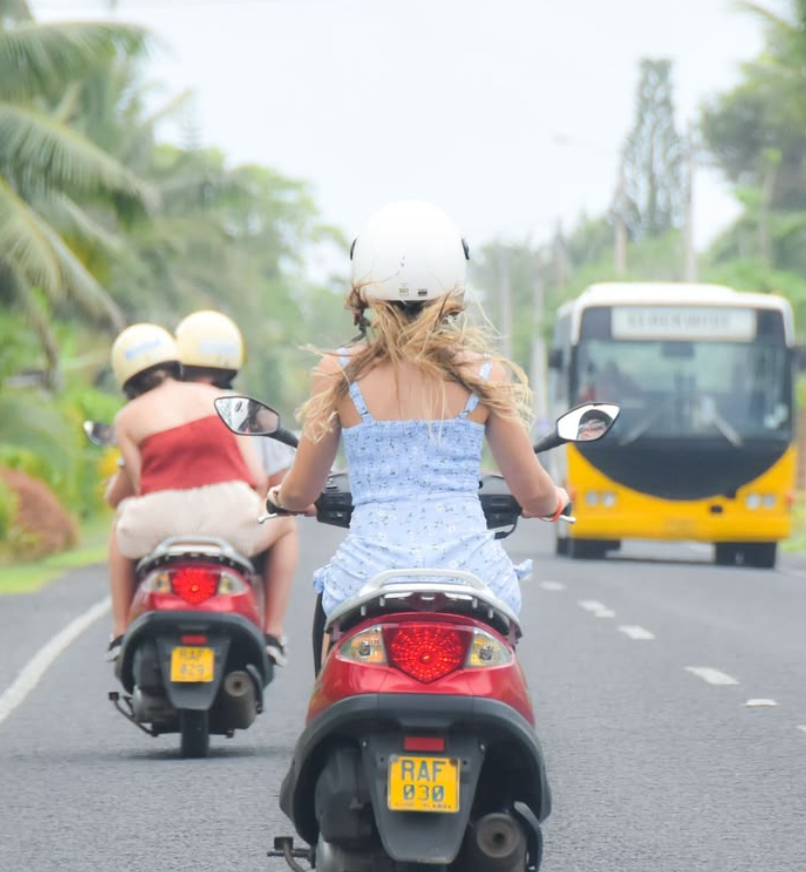
Benefits:
- Splits fuel costs
- Reduces number of vehicles on the road
- Saves time compared to buses
Technology has even enabled carpooling apps in Sri Lanka, connecting people traveling the same routes.
6. Three-Wheelers (Tuk-Tuks) 
Tuk-tuks are still available but maybe:
- More expensive
- Less available due to fuel limits
Best use:
- Emergency travel
- Short trips when no buses are available
Smart Travel Strategies During a Fuel Crisis
Plan Ahead
- Combine multiple errands into one trip
- Check transport availability in advance
Travel Less, Travel Smart
- Avoid unnecessary journeys
- Use remote options when possible
Stay Flexible
- Be ready to switch between train, bus, or walking
Choose Accommodation Wisely
- Stay close to main locations (work, school, etc…)
Impact on Tourism
Despite challenges, Sri Lanka continues to support travel by:
- Prioritizing tourism and transport services
- Maintaining essential travel routes
Tourists are advised to:
- Avoid self-driving
- Use trains or organized tours
Travel during a fuel crisis in Sri Lanka may seem difficult but it’s far from impossible. By shifting away from private vehicles and embracing alternatives like trains, buses, cycling, and carpooling, you can still travel efficiently and even more sustainably.