By Fathima Rukaiya, 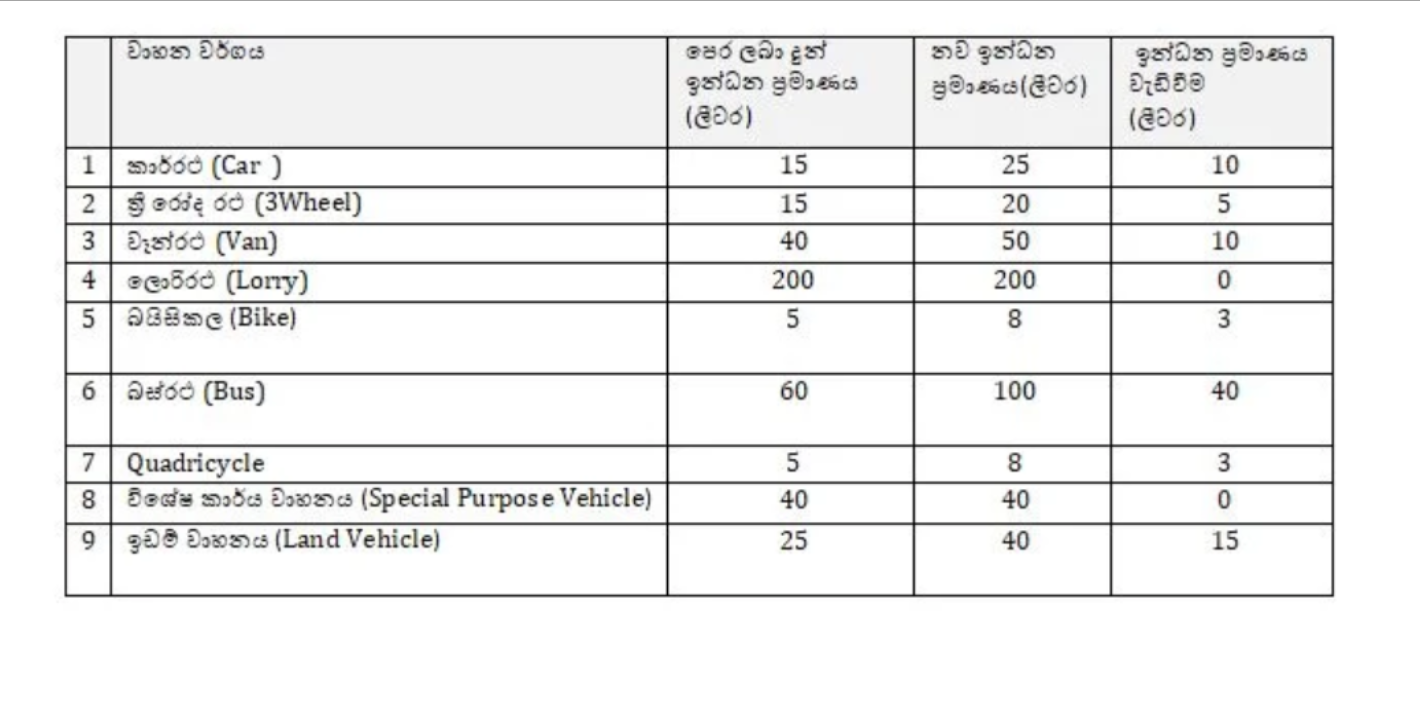
Traveling Sri Lanka during a fuel crisis may sound stressful but with the right knowledge, it’s
still completely manageable. The country has introduced a structured system (especially the QR-
based Fuel Pass) to control fuel distribution and ensure fairness.
This guide walks you through everything step-by-step.
Understanding the Situation First
Sri Lanka has reintroduced a fuel rationing system using QR codes due to global fuel supply
disruptions.
∙Fuel is limited and controlled
∙Long queues may still appear occasionally
∙You cannot buy fuel without a QR code
STEP-BY-STEP GUIDE FOR TOURISTS
Step 1: Plan Before You Arrive
Before landing in Sri Lanka:
∙Avoid planning self-driving trips immediately
∙Pre-book: Airport transfers & Hotels with transport services
∙Prefer destinations with: Good train connectivity (Ella, Kandy, Galle) | Public transport access
Good news: The government is supporting tourism by increasing fuel quotas for tourism operators.
Step 2: Choose the Right Transport Type
During a fuel crisis, your experience depends heavily on transport choice:
Best options:
∙Hotel-arranged vehicles (priority fuel access)
∙Registered tour operators
∙Trains (most reliable)
∙Buses (cheap + less affected)
Risky options:
∙Renting a car yourself
∙Hiring random taxis without fuel assurance
Because fuel quotas are limited per vehicle per week.
Step 3: How the QR Code System Works
Here’s the simplified process:
1. Register Vehicle
∙Visit official site: fuelpass.gov.lk
∙Enter: Vehicle number | Chassis number | Owner details (passport for tourists)
2. Get Your QR Code
∙Download it to your phone OR print it
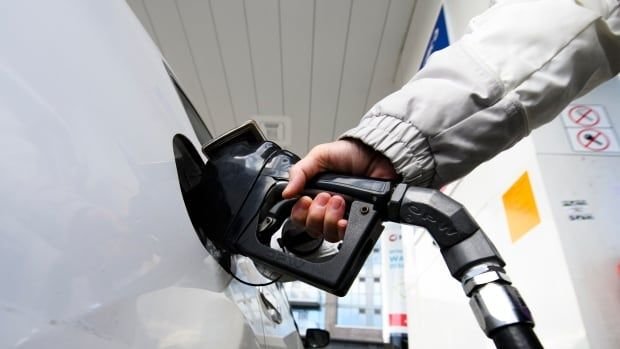
3. Visit Fuel Station
∙Show QR code
∙Staff scans it
4. Fuel is Issued Based on Quota
Each vehicle has a fixed weekly fuel limit
Once used, you must wait until next week
Step 4: Fuel Quotas
Typical weekly quotas:
∙Cars: about 15 – 25 liters
∙Vans: about 40 – 50 liters
∙Motorbikes: about 5 – 8 liters
This means:
∙Long road trips require careful planning
∙Fuel cannot be “topped up anytime”
Step 5: Follow the Fuel Schedule
In some areas:
∙Fuel is issued based on vehicle number plate digits
Always ask locals or your hotel about:
∙“Fuel days”
∙Best time to go
Step 6: Smart Travel Strategies
DO:
∙Combine destinations
∙Travel by train where possible
∙Stay longer in one place
∙Use tuk-tuks for short distances
DON’T:
∙Plan tight schedules
∙Depend on last-minute transport
Step 7: Use Tourism-Supported Services
The government is actively helping tourism:
∙Special fuel access for: Hotels, Tour companies, Tourist vehicles
So always:
∙Book registered services
∙Avoid informal drivers
Step 8: Final Tips
∙Always keep: Screenshot of QR code & Printed copy (backup)
∙Start journeys early morning
∙Carry cash (some stations may prefer it)
∙Be patient since systems are still improving
Traveling Sri Lanka during a fuel crisis isn’t impossible, it just requires planning, flexibility, and understanding the QR system. If you rely on public transport + registered tourism services, your trip can still be smooth, affordable, and unforgettable.
*Remember that rules can change and the situation is currently unpredictable until the issue is resolved. Always watch local news to stay updated!