By Fathima Rukaiya, 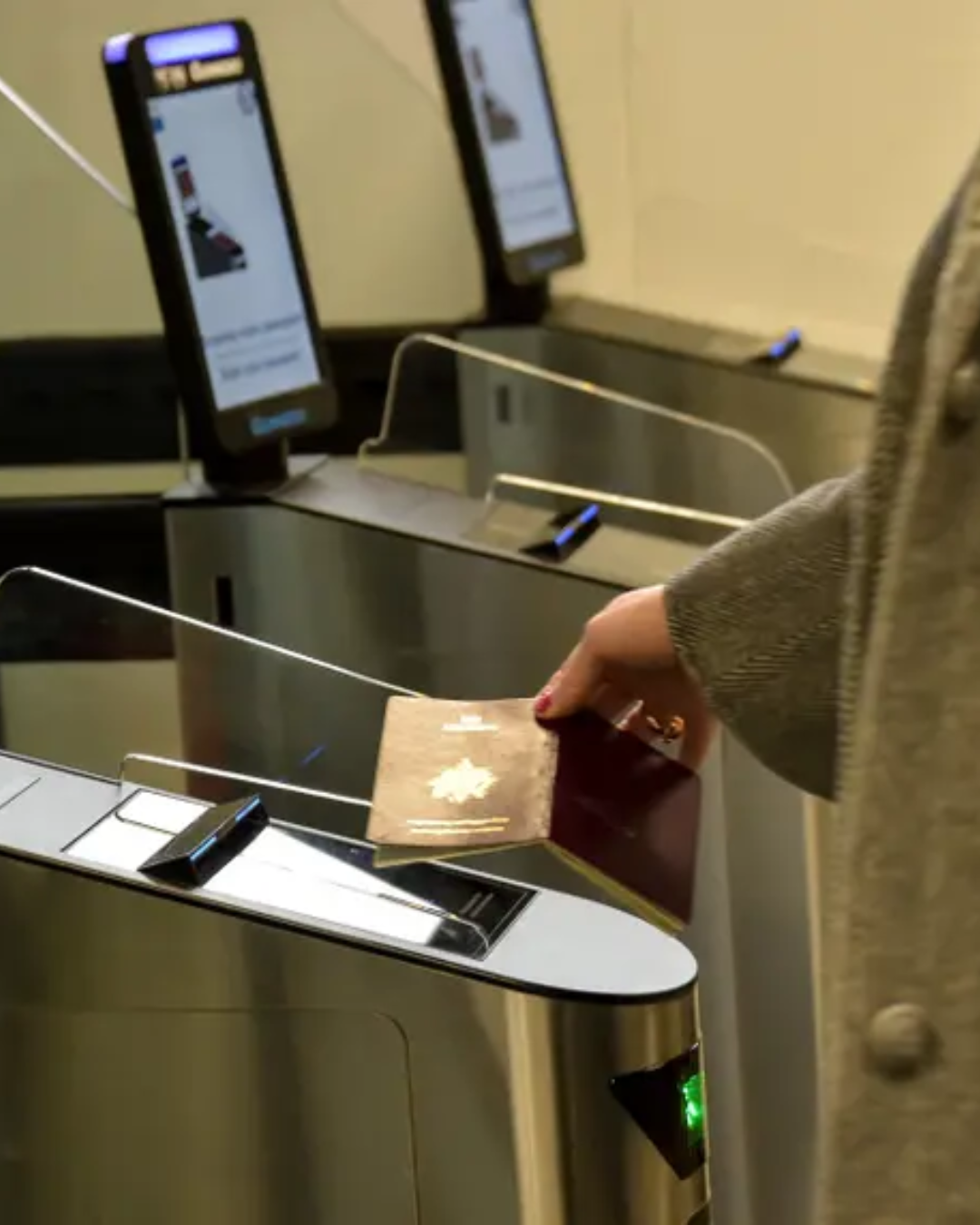
Travel in 2026 is no longer just about booking flights and packing your bags. Governments
worldwide are introducing stricter security systems, digital travel approvals, and biometric
tracking, making preparation more important than ever.
Here’s a complete, detailed guide to all the major travel rule changes you MUST know before
you travel in 2026.
1. Digital Travel Authorizations Are Becoming Mandatory
One of the biggest global changes is the rise of pre-travel approvals even for countries that didn’t
require visas before.
Key Systems to Know:
∙ETIAS (Europe) – Launching late 2026
∙ETA (UK) – Strictly enforced from 2026
∙ESTA (USA) – Already in use, stricter checks now
These systems mean:
∙You must apply online before your trip
∙Approval may take minutes to several days (or even weeks)
∙You may be denied boarding without it
2. Biometric Border Control Is Now the Norm
Europe’s Entry/Exit System (EES)
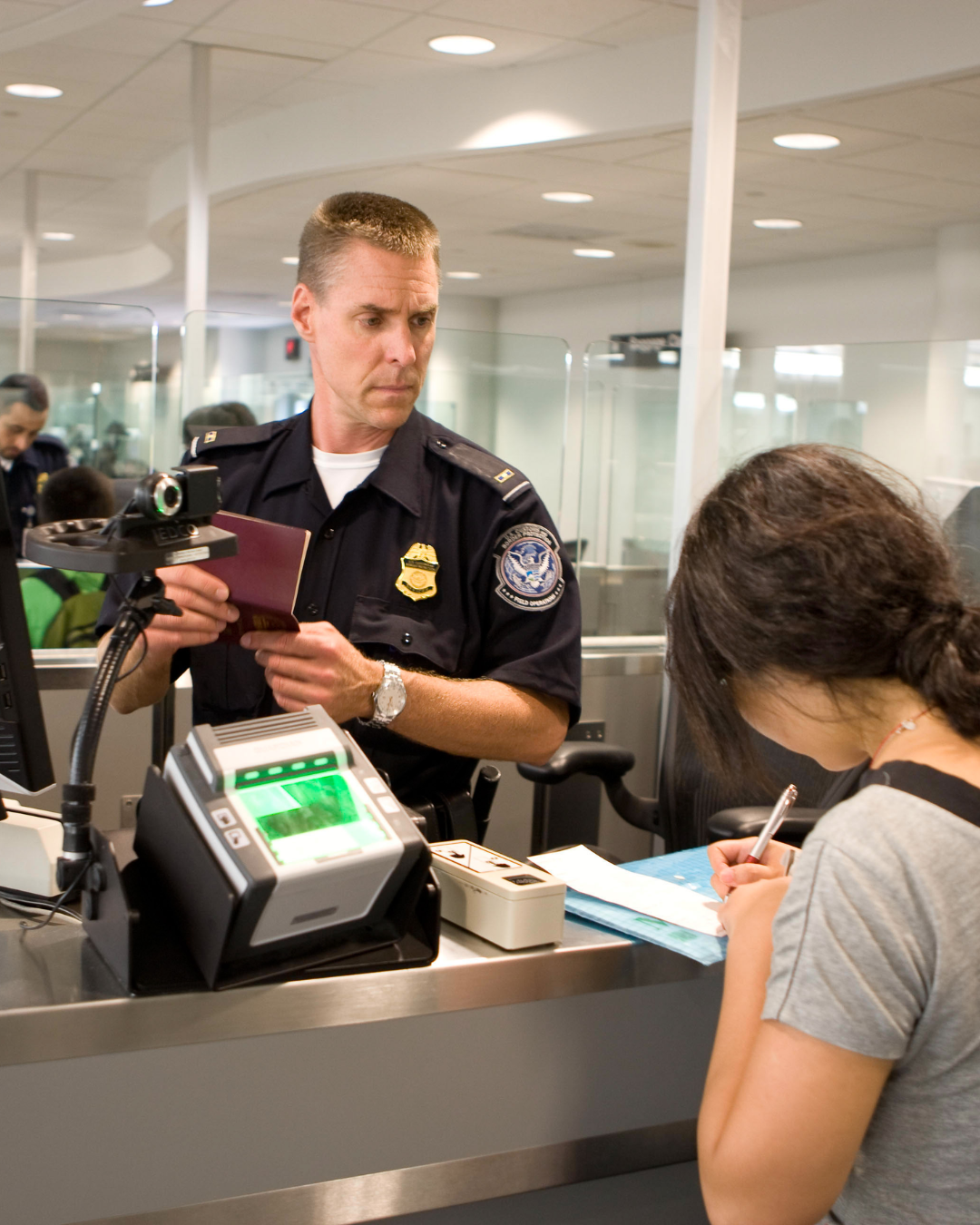
Europe is introducing a fully digital border system that replaces passport stamping.
What changes:
∙You must scan: Fingerprints , Face (biometric photo)
∙Your data is stored for up to 3 years
∙Applies to most non-EU travelers
First-time entry may take longer due to registration queues.
3. More Documents Required at Immigration
Even if you have a visa or approval, border officers may now ask for:
∙Return ticket
∙Hotel bookings or accommodation proof
∙Proof of sufficient funds
∙Travel insurance (in some countries)
Some countries are making insurance mandatory for entry starting 2026.
4. Stricter Passport & Identity Rules
Important Updates:
∙Some countries require: 6 months passport validity, Blank pages for entry stamps
∙Digital identity checks are increasing
Special Case:
∙The UK now requires dual nationals to travel using a British passport or special documentation
5. Increased Security & Background Checks
Border security is tighter than ever in 2026.
What to expect:
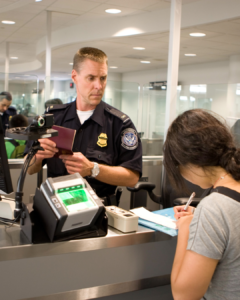
∙More questioning at immigration
∙Possible device checks (phones/laptops)
∙Social media screening for visa applicants
∙Biometric tracking across multiple countries
Some countries (like the U.S.) now collect extended personal and travel data for screening.
6. New Travel Restrictions & Visa Changes
Key Developments:
∙Some countries face: Visa delays or suspensions, New travel bans or restrictions
∙Policies may change quickly depending on global security
The U.S. expanded travel restrictions affecting multiple countries starting 2026.
7. Mandatory ID Rules for Flights
In some countries (like the U.S.), REAL ID or equivalent secure identification is now required for domestic flights.
Without proper ID, you may not be allowed to board even for local travel.
8. Airlines Are Enforcing Rules More Strictly
Airlines are now responsible for verifying your documents before boarding.
This means:
∙If your documents are incorrect:
You will be denied boarding
∙Airlines may not refund tickets for documentation issues
Always double-check requirements before heading to the airport.
9. Travel Is Becoming More Digital
2026 travel is heavily digital:
∙Mobile boarding passes
∙Digital visas
∙Online immigration forms
∙Contactless airport systems
Paper documents are slowly becoming secondary.
10. Processing Times & Delays Are Longer
Due to new systems:
∙Visa approvals may take longer
∙Airport queues may increase
∙First-time biometric registration can delay entry
Especially in Europe during peak seasons, expect longer wait times.
11. What This Means for Sri Lankan Travelers
If you’re traveling from Sri Lanka in 2026:
∙Apply for visas/ETAs well in advance
∙Carry printed + digital copies of all documents
∙Be ready for extra questioning
∙Plan extra time at airports
Good news:
Sri Lanka is also working on simplified visa policies and possible visa-free entry expansions.
Before you leave, make sure you have:
∙Valid passport (6+ months validity)
∙Visa / ETA / ETIAS approval
∙Travel insurance (if required)
∙Proof of accommodation & return ticket
∙Enough funds proof
∙Digital & printed copies of everything